October 11, 2026

On a hot afternoon, a glass of coffee over ice can feel like the only sensible choice. But the two drinks most often poured into that glass are not the same. Cold brew is made by steeping coffee grounds in cold water for hours; iced coffee is usually brewed hot and then chilled or poured directly over ice. That single difference changes almost everything else: how strong the coffee tastes, how long it takes to prepare, how it pairs with milk, and when it is the better drink to make. This comparison keeps the focus on summer sipping, with practical notes you can use in your own kitchen.
Brewing Time and Method
Cold brew is a waiting game. Coarse grounds go into cold or room-temperature water, usually at a ratio somewhere between 1:8 and 1:15 by weight depending on whether you want a concentrate or a ready-to-drink brew. The mixture rests in the fridge for 12 to 18 hours, then gets filtered. A French press works, as does a large jar and a fine sieve lined with cloth or a paper filter. The active work is short; the waiting is long. Make a batch on Sunday evening and you have a smooth base for several days.
Iced coffee is faster. You brew hot coffee by your usual method—drip, pour-over, espresso, or AeroPress—then cool it quickly and pour it over ice. For a simple version, brew a stronger-than-usual batch, let it come to room temperature, and refrigerate it. If you pour hot coffee straight onto ice, the ice melts, the drink dilutes, and the flavor turns thin. A quick chill—standing the brewing vessel in a bowl of cold water, or shaking the coffee with ice in a cocktail shaker—keeps the drink brisk and concentrated.
Neither method is more correct. Cold brew rewards planning. Iced coffee rewards a little attention at the moment you brew. If you decide at 3 p.m. that you want iced coffee, hot brewing is the practical route. If you like the idea of opening the fridge and pouring something ready, cold brew fits that habit better.
Strength and Concentration
Strength is where the labels can mislead. Cold brew is often made as a concentrate, then diluted with water or milk to taste. A small amount of concentrate can make a full glass, so a batch seems to stretch further. But the concentrate itself can be potent. If you drink it undiluted, it may feel heavier and more intense than expected. Start with a one-to-one dilution—equal parts concentrate and water or milk—then adjust from there.
Iced coffee needs extra coffee flavor because ice takes up space and melts. If you brew a normal-strength cup and pour it over a full glass of ice, you are effectively drinking a diluted version of that coffee. Use more grounds, a finer grind within your method’s range, or a smaller brewing ratio. An espresso-based iced coffee is another option: pull a double shot, let it cool slightly, and pour it over milk and ice for a compact, vivid drink.
The practical rule: cold brew is about concentration you dilute later; iced coffee is about brewing strong enough to survive the ice. Both can be weak or strong. The method alone does not guarantee a bold drink.
Flavor and Texture
Cold Brew
Cold water extracts different compounds than hot water does, and the result is usually rounder and less acidic. Think dark chocolate, toasted nuts, molasses, and a smooth, almost syrupy body. The flavors can be subtle, especially with lighter roasts, so cold brew often works best with medium or medium-dark beans that have clear sweetness. It can also taste flat if the grounds are too coarse or the steep is too short. A long steep does not mean bitter by default, but over-extraction is possible, particularly with very fine grounds that slip through the filter.
Iced Coffee
Iced coffee keeps more of the bright, aromatic character of a hot brew. You may notice citrus, berry, floral notes, or the caramelized sweetness of a darker roast, depending on the bean. The texture is lighter than cold brew, more tea-like in some cases, and the finish can be crisp. Because it is brewed hot, it can also show more acidity. That is not a flaw; it is a difference. If you like coffee that tastes lively and aromatic over ice, iced coffee is often the more expressive choice.
Milk, Sugar, and Serving
Cold brew and iced coffee take milk and sweetener differently. Cold brew’s smooth body carries milk well, and a splash of whole milk or oat milk can taste like a coffee milkshake without much effort. Iced coffee’s brighter edge can handle a little more sweetness without becoming cloying. Try a teaspoon of simple syrup rather than granulated sugar, which dissolves poorly in cold liquid. If you are using a cold brew concentrate, sweeten the diluted drink, not the concentrate, so you can adjust each glass.
- For cold brew: dilute to taste, add milk and a pinch of salt if the brew tastes flat, and serve over large clear ice cubes that melt slowly.
- For iced coffee: brew strong, chill fast, sweeten while the coffee is still slightly warm, and pour over ice just before serving.
- For both: keep the finished drink cold; a warm glass accelerates melting and dilutes the coffee.
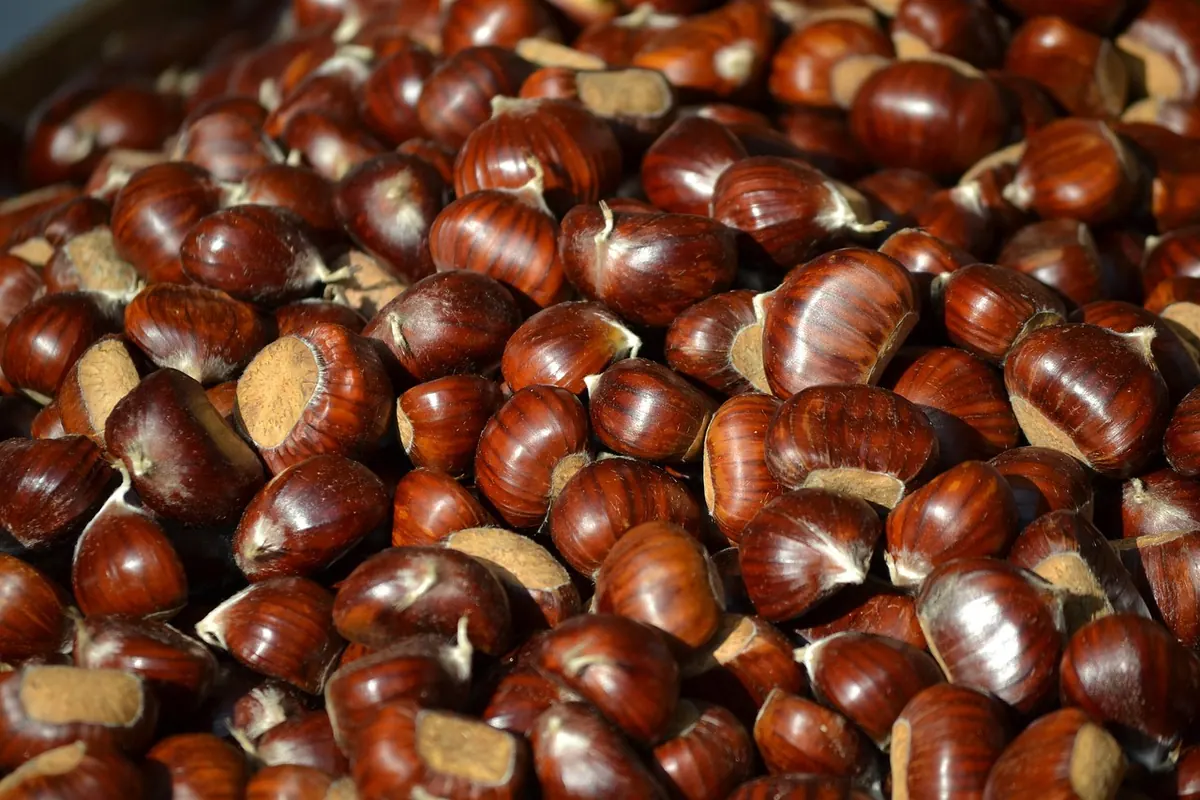
- For a chestnut twist: pair either drink with roasted chestnuts, chestnut cream on toast, or a plain chestnut cookie. The nutty sweetness flatters cold brew especially, while iced coffee’s brightness cuts through richer chestnut desserts.
Ideal Occasions and Food Pairings
Cold brew suits slow mornings, weekend errands, and afternoons when you want something smooth and low-effort. Its mellow profile makes it a good match for breakfast breads, nutty granola, and chestnut spreads. It is also forgiving if you make a batch and drink it over a couple of days. Keep it covered in the fridge and taste before serving; cold brew can lose some brightness after a few days, though it remains drinkable.
Iced coffee shines when you want a lift without heaviness: a mid-morning break, a lunch that ends with something sweet, or a hot day when you crave a sharper, more aromatic drink. It pairs well with lemon cake, almond biscotti, and lighter chestnut desserts where you do not want the coffee to dominate. On a very hot afternoon, an iced espresso with a splash of milk can be more refreshing than a large creamy cold brew.
For a gathering, set up a small bar: a pitcher of cold brew concentrate, a pitcher of chilled iced coffee, ice, milk, simple syrup, and a bowl of roasted chestnuts. Guests can dilute and sweeten their own glasses. That is a practical way to serve both without playing barista all afternoon.
Practical Tips for Better Results
- Use fresh coffee and grind just before brewing. Cold brew needs coarse grounds; iced coffee can use the grind your hot method requires.
- Measure by weight if you can. A kitchen scale makes repeatable cold brew and strong iced coffee much easier than guessing with scoops.
- Filter carefully. Fine particles make cold brew muddy and can make iced coffee harsh. Rinse the filter or let the brew settle and decant.
- Chill your glass. A cold glass, cold milk, and cold coffee slow the melt and keep the drink from tasting watery.
- Label your cold brew concentrate. It is easy to mistake for ready-to-drink coffee and pour a glass that is far too strong.
How to Choose Your Summer Glass
Choose cold brew when you plan ahead, prefer a smooth and rounded cup, and like the convenience of a concentrate in the fridge. Choose iced coffee when you want bright flavor, a faster route from craving to glass, or a drink that shows off the character of a single-origin bean. If you are unsure, make a small batch of each this weekend. Taste them side by side, first black, then with milk. Your preference will probably be clear within a few sips—and it may change with the weather, the food on the table, and how much time you have.
Photo: makafood / Pexels