October 08, 2026
Two bags of the same coffee. Same water, same scale, same mug. One cup comes out sweet and round; the next is thin and sharp enough to make you squint. Nothing changed except the grind, and that alone can move a brew from forgettable to the reason you buy those beans again.
Grind size decides how quickly water reaches the inside of a coffee particle. Too coarse and the water slips past, leaving sweetness and body behind. Too fine and it drags out everything at once, bitterness included. Every brew method is really a different answer to one question: how long does water stay in contact with coffee? Match the grind to that answer and the rest of the process gets much more forgiving.
Why Grind Size Does Most of the Work
Think of a whole bean as a locked room. Grinding opens doors. A coarse grind opens a few; a fine grind opens a great many. More open doors mean faster extraction, which is why espresso pulls in under thirty seconds while cold brew steeps overnight.
Consistency matters as much as the setting itself. A burr grinder produces particles of roughly the same size, so they give up their flavor at roughly the same moment. A blade grinder produces boulders and dust in the same batch, and no amount of tuning fixes that: the dust over-extracts while the boulders stay under-extracted. If a blade grinder is what you have, pulse in short bursts and shake the machine between pulses. You will still get some fines, but fewer chunks.
The One-Minute Grind Checklist
Use these as starting points, then adjust by taste. Descriptions of texture are more useful than numbers on a dial, because every grinder counts differently.
- Drip machine: medium, roughly the texture of table salt. Flat-bed baskets tolerate a slightly coarser grind than cone-shaped pour-over drippers.
- Pour-over: medium to medium-fine, like fine sand. Start medium and go one step finer if the cup tastes thin.
- French press: coarse, like rough breadcrumbs or coarse sea salt, with visible individual pieces.
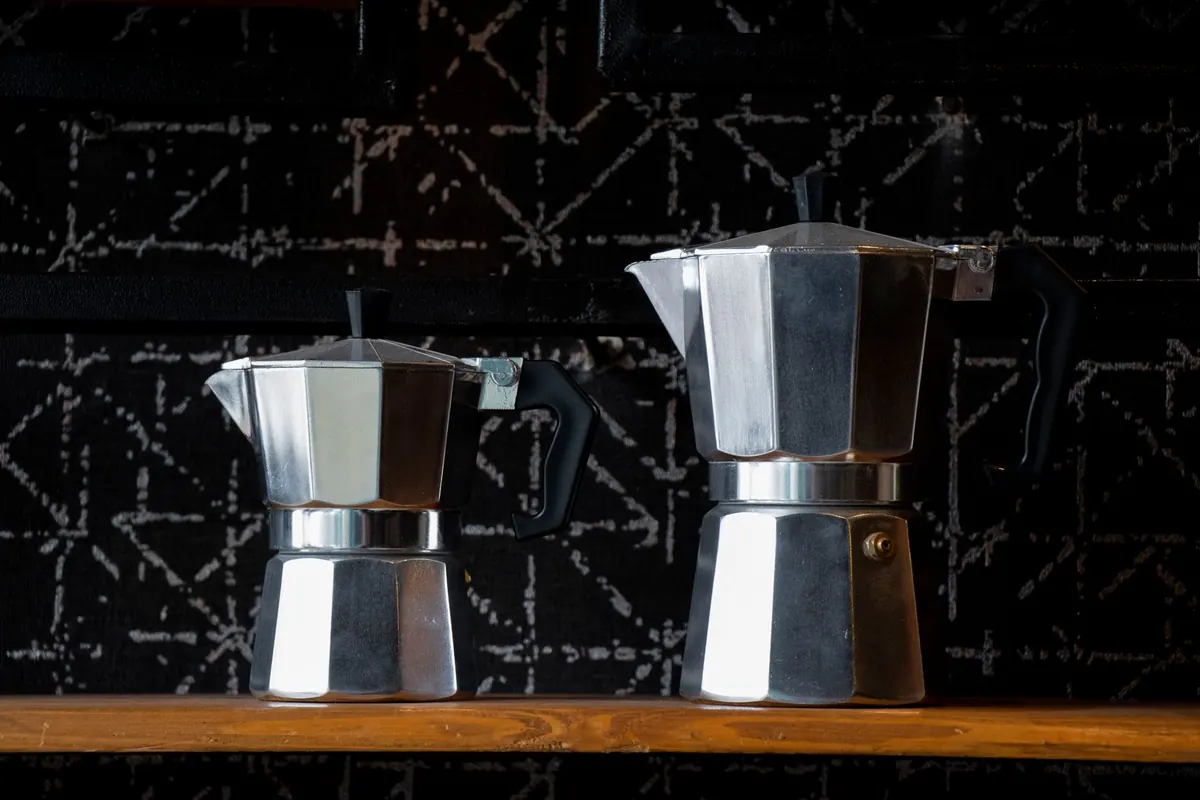
- Moka pot: fine, but not espresso fine. Fine sand rather than powder, closer to what you would use for a pour-over than for a portafilter.
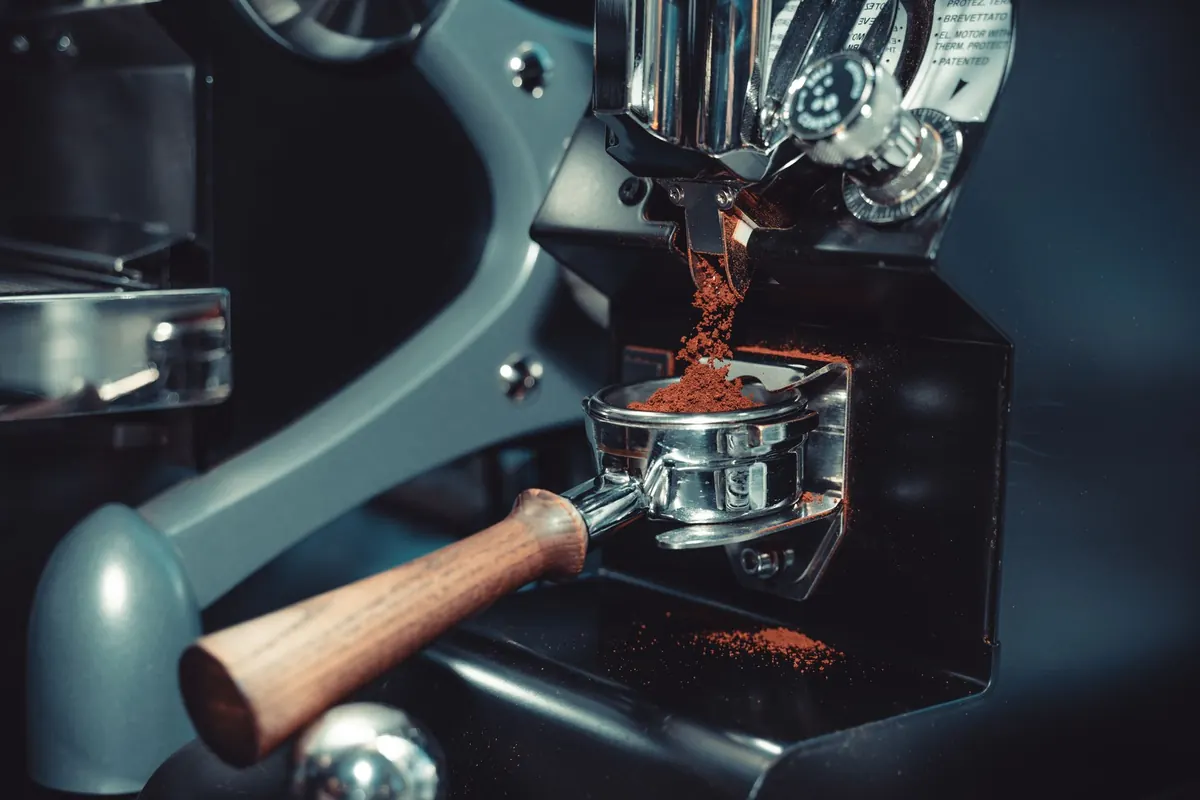
- Espresso: fine, close to powdered sugar, but it should still clump a little when you pinch it instead of vanishing into dust.
- Cold brew: the coarsest of the lot, a breadcrumb texture that can sit in water for half a day without turning harsh.
Drip and Pour-Over: The Middle Ground
These are the brews most people make at home, and they are the most forgiving place to learn. Aim for medium on a drip machine, medium-fine in a cone dripper. A dose of roughly 60 grams of coffee per litre of water is a sensible starting ratio, adjusted to your basket and taste.
Watch the drain, not just the flavor. If a pour-over finishes in under two minutes and the cup tastes sour or watery, the grind is too coarse. If it stalls and the bed looks like wet cement, the grind is too fine, or you are pouring too aggressively. A bitter, drying finish usually means fine. A hollow, tea-like finish usually means coarse. Change one notch at a time and keep the dose and water the same so you know what actually moved.
French Press: Coarse, and Plenty of Time
The French press gives coffee four minutes of full immersion, so it needs coarse grounds to avoid over-extraction. Grind coarser than feels natural. If you see sludge at the bottom of the cup or the brew tastes muddy and bitter, go coarser before you blame the beans.
Two small habits improve the result more than any gadget. First, let the crust of grounds settle for a minute after the timer ends, then press the plunger slowly and only partway. Second, pour gently and leave the last centimetre in the carafe, where the finest particles collect.
Moka Pot and Espresso: Two Fines, Different Jobs
Moka pot
The moka pot sits in an awkward spot that trips up a lot of people. It needs coffee fine enough to resist the steam pressure, but not so fine that it chokes the funnel or forces water around the edges of the basket. Fine sand is the target: finer than drip, noticeably coarser than espresso.
Fill the basket level without tamping, use water below the safety valve, and keep the heat moderate. If the coffee sputters out pale and fast, the grind is too coarse or the heat too high. If almost nothing comes out and the pot hisses dry, the grind is too fine.
Espresso
Espresso has the narrowest window of any method. A small change in grind can swing a shot from gushing to barely dripping. As a rough reference, many machines and baskets are happiest when a double shot produces about twice its weight in liquid in roughly 25 to 30 seconds, but treat that as a starting line, not a rule.
Dial in by taste and time together. Fast and sour means grind finer. Slow, dark, and bitter means grind coarser. Distribute the grounds evenly in the basket and level the bed before tamping; uneven density causes channelling that no grind setting can rescue.
Cold Brew: Coarse Enough to Wait
Cold brew steeps for twelve to eighteen hours, so the grind has to be coarse. Use a concentrate ratio of about 1 part coffee to 8 parts water, or a little weaker if you drink it straight. Fine grounds turn the brew cloudy and muddy and make filtering a chore; if that happens, strain it through a paper filter before storing.
The low acidity of cold brew is also why it takes well to a spoonful of chestnut syrup or a splash of chestnut milk. The grind stays coarse; the flavoring comes after.
Reading the Cup: Three Fast Fixes
- Sour, thin, or watery: extraction is running short. Grind finer, or extend the brew time slightly.
- Bitter, dry, or harsh: extraction is running long. Grind coarser, or shorten the brew.
- Gritty texture or a cup that goes cloudy: too many fines. Check the grinder setting, and consider a coarser grind plus a slightly longer brew.
Change one thing at a time, and taste before you add milk or sugar. It is easy to keep adjusting a brew that was already close.
Keep the Grind Honest
Grind just before brewing. Pre-ground coffee loses aroma quickly, and no setting can bring it back. Store beans whole, in an airtight container, away from light and heat, and buy in amounts you will finish within a few weeks.
Write down your settings. A small note on the bag, with the grind number, dose, and brew time, saves you from starting over the next time you open a new batch. Beans change as they age, so expect to nudge the grinder a step coarser after a week or two. Humidity does the same thing on a rainy morning.
Finally, clean the burrs. Old grounds and oils dull flavor and make the grinder inconsistent, which reads as a grind problem but is really a maintenance one. A quick brush every week or two keeps the settings predictable, and predictable is what lets you taste the difference a single notch makes.
Photo: Denys Gromov / Pexels