October 29, 2026
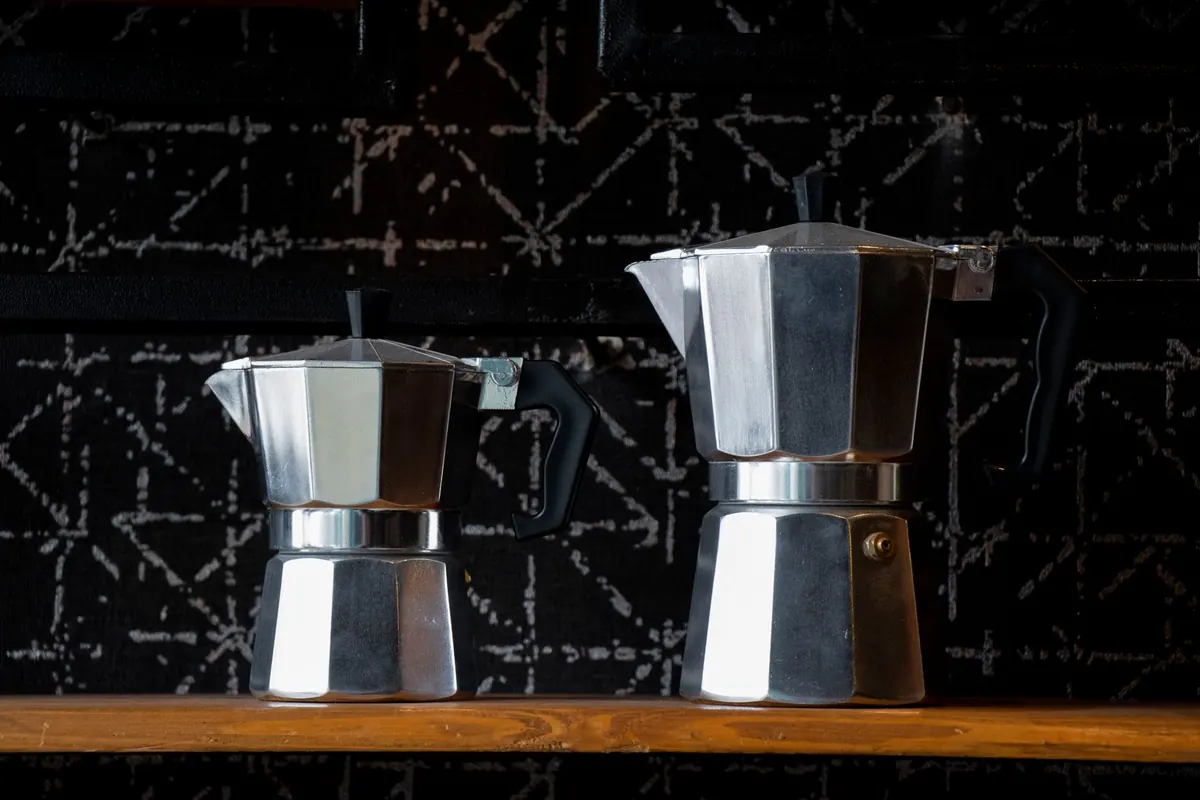
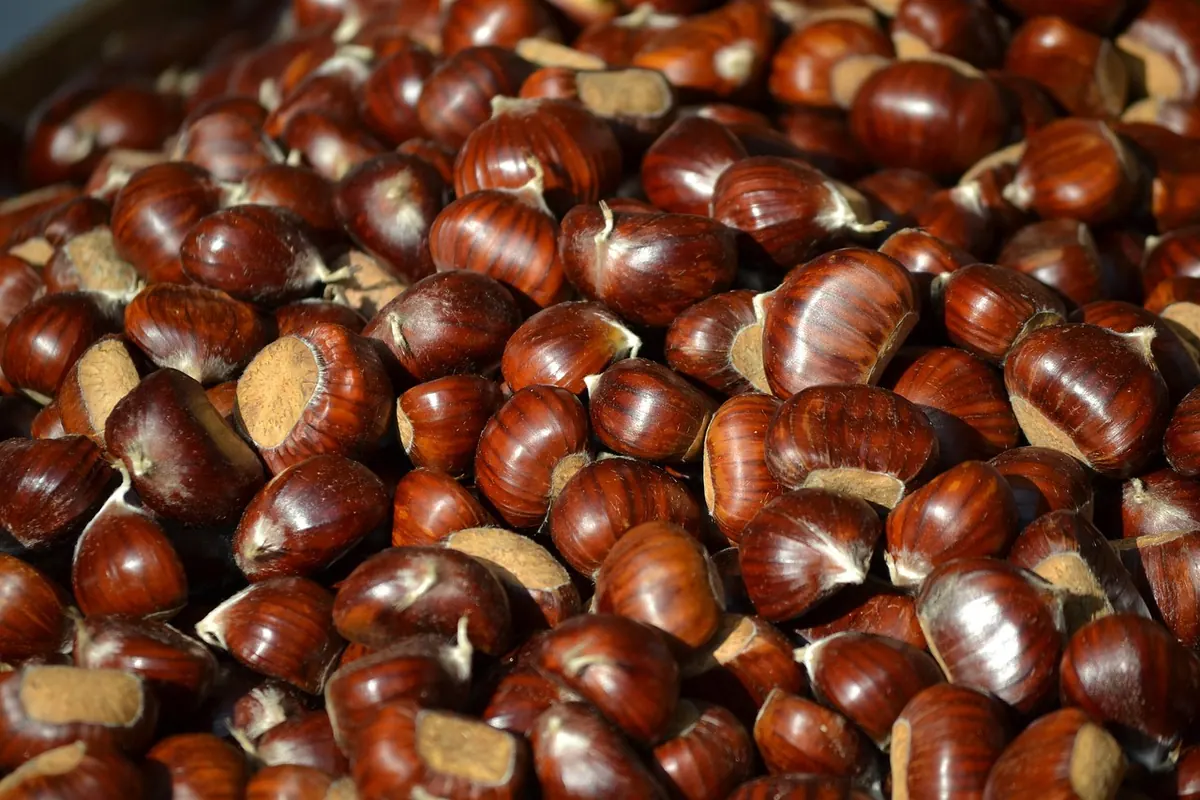
On a cold morning there are two sounds that mean coffee is on its way: the low rumble of a moka pot on the stove and the sharp hiss of an espresso machine finishing a shot. Both fill the kitchen with the same smell. Both can carry the sweet, faintly woodsy flavour of chestnuts. But they do not carry it the same way, and anyone who has stirred a spoonful of chestnut cream into a cup and watched the coffee disappear behind the sugar knows that the difference matters.
Two Brews, Two Kinds of Pressure
Espresso is pushed. Hot water at roughly nine bar is forced through a compact puck of very finely ground coffee, and 25 to 30 seconds later you have 30 to 40 millilitres of dark, syrupy liquid with a layer of foam on top. The moka pot persuades instead. Water boils in the base, pressure builds to a bar or two, and that gentle push carries water up through a looser bed of medium-fine grounds. It takes four or five minutes and rewards patience more than equipment.
- Pressure: around 9 bar for espresso, 1 to 2 bar for moka.
- Grind: fine, like icing sugar, for espresso; medium-fine, like fine sand, for moka.
- Dose and yield: often 18 g in and 36 g out for espresso; a full basket and 100 to 150 ml out for moka.
- Time: under half a minute for espresso, several minutes for moka.
- Temperature: steady and high in espresso, rising gradually through a moka brew.
Strength Is Not the Same as Concentration
Espresso is far more concentrated per millilitre — roughly 8 to 12 percent dissolved coffee solids, against something closer to 3 to 5 percent for moka. But you drink moka by the cup and espresso by the sip, so the total amount of coffee in front of you ends up reasonably similar. What really changes is the space you have to work with.
Put 10 millilitres of chestnut syrup into a 30 millilitre espresso and you have flavoured a third of the drink. Put the same 10 millilitres into 120 millilitres of moka coffee and you have barely touched it. That single fact decides most of the recipes below, and it is the reason a chestnut coffee made in a moka pot so often tastes thin while the same idea pulled as a shot tastes like dessert.
Texture: Crema, Body and What Sits on Top
Espresso is an emulsion. The oils and gases in the coffee are forced into a suspension of tiny bubbles that coats the tongue and lingers. That body is why a spoonful of chestnut cream can be floated on a shot and still be there a minute later, and why an espresso-based chestnut drink feels rich even when you add very little sweetener.
Moka coffee has a thinner foam that collapses quickly, and a cleaner, lighter texture in the mouth — closer to a strong filter brew than to syrup. That is not a flaw. It simply means moka works better as a base to stir into than a surface to decorate. Where espresso holds chestnut cream up, moka dissolves it in.
Chestnut Syrup: Ratios That Actually Work
Chestnut syrup is sweet, mildly nutty and slightly earthy. It is easy to overdo, and once a cup is too sweet there is no fixing it except by brewing more coffee. Taste the syrup on a spoon first; brands vary a lot in sugar and intensity.
Espresso: small doses, big flavour
Treat the syrup as a seasoning. Start with 8 to 10 millilitres in a 30 millilitre shot, stir for ten seconds and taste before adding more. For a chestnut latte, build it in this order: 12 to 15 millilitres of syrup in the bottom of a mug, a 30 millilitre espresso poured over it, then 80 to 100 millilitres of whole milk steamed to about 60 to 65 °C. The bitterness and acidity of the espresso cut through the sugar, so the chestnut reads as roasted and nutty rather than simply sweet.
Moka: more coffee, more room
With 120 millilitres of moka coffee, 15 to 20 millilitres of syrup is a fair starting point, and 25 millilitres is not unreasonable if you are adding hot milk. Because moka is rounder and less acidic, the chestnut tastes softer and more like a pudding than a flavouring. Always put the syrup in the cup first and pour the coffee over it; syrup stirred into a settled cup tends to sit at the bottom.
Chestnut Cream: The Spoonable Test
Chestnut cream — crema di marroni — is not a syrup. It is a dense, spreadable paste of chestnuts and sugar, and it behaves accordingly: it sinks, it clumps, and it scorches if you heat it hard.
With espresso, warm the cup first, spoon in about 20 grams of cream, then pull the shot directly over it and stir for a good 15 seconds. The result is thick, almost custardy, and best drunk from a small cup. For something closer to a marocchino, pull the shot first and float a quenelle of cream on the crema.
With moka, pour 100 to 120 millilitres of coffee into a small saucepan over low heat, add a heaped teaspoon of cream and whisk until it disappears, then take it off the heat before it simmers. Sugar and chestnut burn quickly, and a burnt note will ruin the whole pot. If you want a chestnut caffè latte, stir the cream into the hot milk first and combine the two at the end.
Five Adjustments That Improve Both
- Match the grind to the method. A grind that chokes an espresso machine will also stall a moka pot. Keep them separate and adjust in small steps.
- Fill the moka base to just below the valve, and never tamp the basket. Level the grounds and leave them loose so the water can pass evenly.
- Keep the moka on low heat and take it off at the first gurgle. The last stretch of a brew is where bitter, burnt notes come from, and those notes fight with chestnut.
- Warm the cup. Chestnut syrup and cream are cold and will drop the temperature of a small drink fast.
- Stir longer than feels necessary. Ten seconds with a spoon makes a noticeable difference to how evenly the chestnut is distributed.
Which Brews a Better Chestnut Coffee?
For a small, intense chestnut coffee — a shot with cream stirred through it, or a chestnut macchiato — espresso wins. The concentration and body hold the flavour without dilution, and the bitterness keeps the sweetness in check. For a morning mug, a chestnut latte for two, or anything you plan to drink slowly at the table, the moka pot is the better tool. Its lighter body and larger volume give the chestnut room to blend rather than dominate.
- Choose espresso when the chestnut is the point and the cup is small.
- Choose moka when the coffee is the point and the chestnut is a welcome guest.
Whichever you use, brew a plain cup first and taste it on its own. If the coffee is harsh or hollow, no amount of chestnut will hide it — it will only make the flaw sweeter. Get the base right, then add the chestnut in small increments until the balance feels like yours.