October 24, 2026
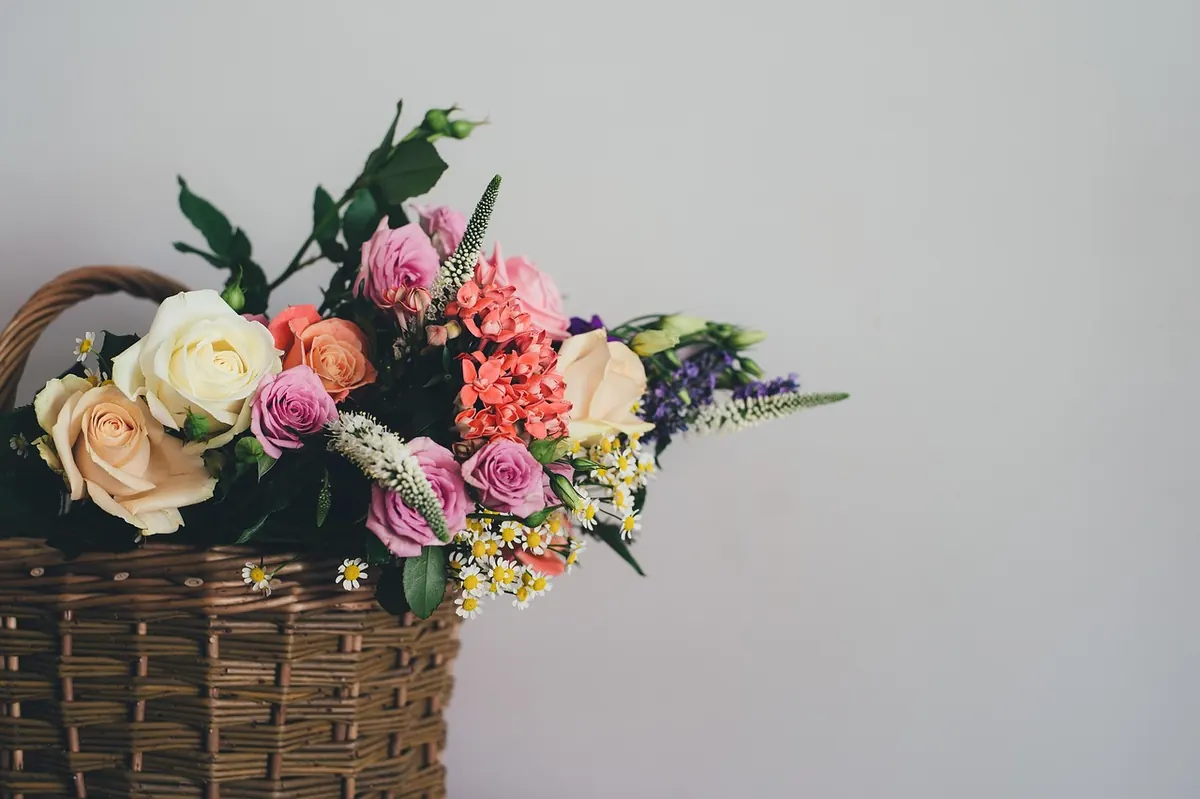
A chestnut coffee gift basket is an easy thing to get wrong. Pack it too full and it reads as a clearance shelf in a wicker box; leave it too sparse and it looks like something assembled in a car park ten minutes before arriving. The baskets people remember tend to follow the same quiet logic: one good coffee at the centre, two chestnut things that genuinely belong beside it, and a small number of extras that will be used before the new year. Here is the checklist we would shop from ourselves, in the order we would shop it.
Begin With the Coffee, Not the Basket
Choose the coffee first, because everything else has to arrange itself around it. One 250g bag as the centrepiece is enough, and a second, contrasting bag of the same size makes the gift feel generous without turning it into a bulk order.
On roast, medium to medium-dark is the safer choice for this kind of basket. Chestnut sweets are sugary and softly flavoured, and a very light, sharply acidic roast can end up tasting thin next to them. A chocolatey blend or a darker single origin holds its ground against marron glacé and chestnut honey without shouting.
Look at the roast date rather than the best-before date. Coffee is at its best in the first few weeks after roasting, so buy from a shop that roasts in small batches and prints the date on the bag. Two 250g bags beat one kilo every time: the recipient gets variety, and the second bag stays sealed while the first is open.
Whole Bean or Ground?
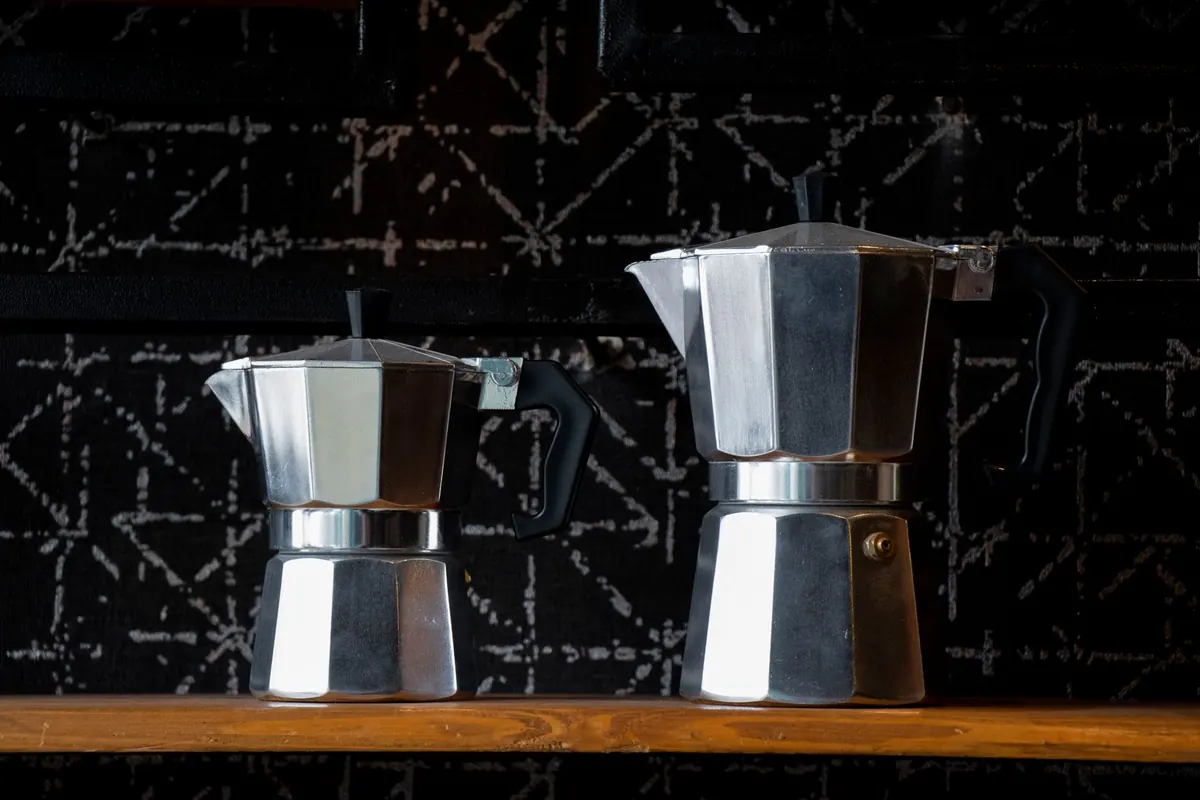
Whole bean is the better gift if you know there is a grinder in the house. If you are not sure, ask, or default to a moka grind — in most Italian kitchens that is the grind that will actually get used. A bag of beautifully roasted coffee that nobody can brew is just a heavy ornament.
Anchor It With Chestnut Treats
Two chestnut items, not five. The most useful pairing is one thing to eat with coffee and one thing to cook with, which gives the basket a reason to exist beyond December.
- To eat alongside: marron glacé, candied chestnuts, or a jar of crema di marroni to spread on toast and spoon over gelato.
- To cook with: chestnut flour for castagnaccio and necci, or a jar of vacuum-packed cooked chestnuts for soups and stuffings.
- To round it out: chestnut honey — dark, faintly bitter, excellent on aged cheese and stirred into hot milk.
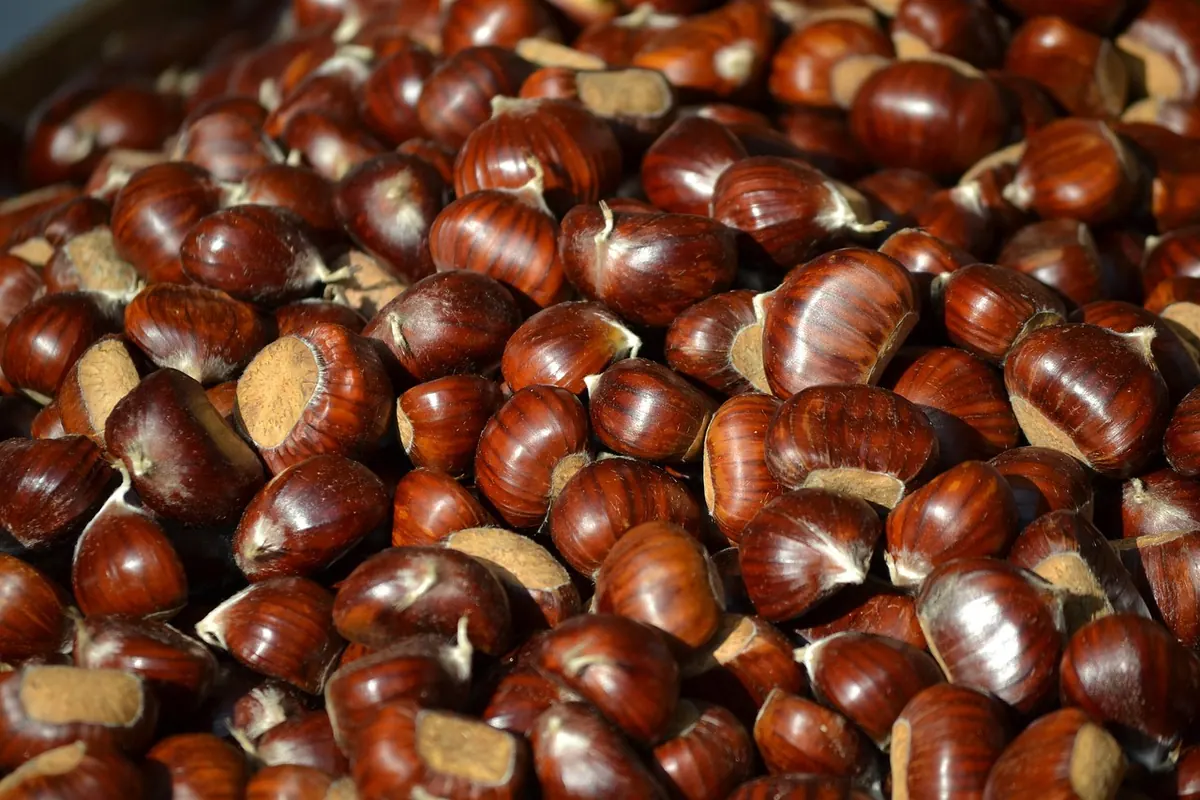
Read the labels. A good crema di marroni has a short ingredient list: chestnuts, sugar, maybe vanilla. Chestnut flour is the fragile one — it turns rancid faster than wheat flour, so check the date, smell it if you can, and tell the recipient to keep it in the fridge or freezer once opened. If the flour smells musty rather than sweetly nutty, put it back.
Seasonal Extras That Earn Their Place
The test for any extra is simple: does it do a job? A stoneware cup keeps coffee hot. A small wooden board or a long-handled spoon has a use at breakfast. A tin gives the coffee somewhere to live once the bag is open. A linen tea towel in rust, olive or oatmeal gets used all winter and looks seasonal without trying.
If the basket is for someone who roasts chestnuts at home, a small chestnut knife or scoring tool is a cheap, practical, genuinely thoughtful addition. Most people improvise with a paring knife and regret it.
Two things to leave out. First, heavily scented items — candles, soaps, pot pourri — because coffee absorbs odours and a bag that smells of pine will taste of pine. Second, filler: paper shred, polystyrene peanuts, decorative straw. Use a folded cloth or a small box to take up space instead, and the basket will look better for it.
If an item cannot be used within a month of opening the basket, it is decoration, not a gift.
The Checklist, In Shopping Order
- Coffee: one 250g hero bag, plus a second contrasting 250g bag. Check the roast date and the valve seal.
- Format: whole bean by default; moka grind if the recipient's setup is unknown.
- Chestnut item one: something to eat with coffee — marron glacé or crema di marroni.
- Chestnut item two: something to cook with — flour, cooked chestnuts or honey.
- One vessel: a cup, a mug or a storage tin.
- One tool: a wooden spoon, a small board, or a chestnut knife.
- One textile: a linen towel that doubles as wrapping.
- A card: contents, roast date, and a line on how to store anything perishable.
- Layout: put everything on the table before you pack. If it looks like too much, it is.
Balance, Budget and Presentation
Aim for coffee and chestnuts to make up roughly two-thirds of the basket by volume and by spend. The extras are there to support them, not to compete. If you have to choose between a better coffee and a prettier container, buy the better coffee — a plain wooden crate or a sturdy tin lined with cloth does the job perfectly well.
Set a budget before you shop and decide early where the money goes: the coffee and one standout chestnut item. That is where the difference is tasted.
The basket should look full but lift comfortably with one hand. A container that is too deep invites you to bury things, and buried gifts do not get found. Choose something reusable — wicker, wood, a lidded tin, a heavy paper bag with a flat base — and layer from the heaviest items at the bottom to the lightest on top. Keep jars upright and pack cloth around glass so nothing rattles in the car.
Match the Basket to the Person
The espresso drinker: a moka grind, two small stoneware cups, marron glacé, nothing more.
The baker: chestnut flour, cooked chestnuts, a handwritten note with the method for a castagnaccio and a reminder to refrigerate the flour.
The host or colleague: keep it compact — one bag of ground coffee, a jar of chestnut honey, a folded linen towel. Skip the tools, which need a kitchen to belong in.
Final Checks Before You Hand It Over
Open the basket once more and check the small things. Lids are tight. Nothing has leaked into the cloth. The roast date is visible without unwrapping anything. There is a note listing the contents, because chestnut flour, nuts and dairy all appear in these baskets and a guest with an allergy should not have to guess. Deliver it within a few days of packing so the coffee is still near its best, and carry it upright in a shallow box rather than balanced on a lap. Do those four things and the basket arrives the way it looked on your table.
Photo: Pexels / Pixabay